Chevrolet car key replacement & programming in Burbank
Mobile Chevrolet key replacement, duplicate keys, lost-key service, transponder programming, remote and fob service, smart-key programming, ignition-related key service, and immobilizer diagnostics — at your vehicle. Chevrolet used several different key and anti-theft systems across its lineup, and appearance alone doesn't confirm the right one; we verify by VIN before dispatch.
Call to confirm availabilityMobile serviceCA Lic# LCO8538InsuredMajor credit cards & Apple PayProof of ownership required
Start here
What type of Chevrolet key do I have?
These are customer-visible categories based on what a key looks like and how it works — not internal part numbers. Fob shape alone doesn't guarantee compatibility with a specific vehicle.
1
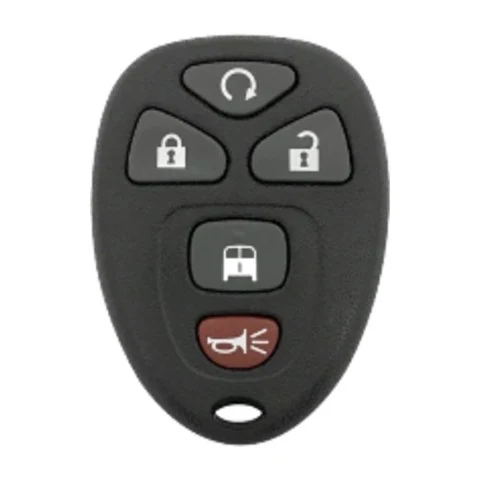
Mechanical key + separate remote
A metal blade turns the ignition by hand. A small plastic remote on the same ring may lock and unlock the doors, but it does not start the vehicle.
2
Remote-head keys
The metal blade and the door-lock remote buttons are combined into one key head. You still insert the key and turn it to start the vehicle.
3
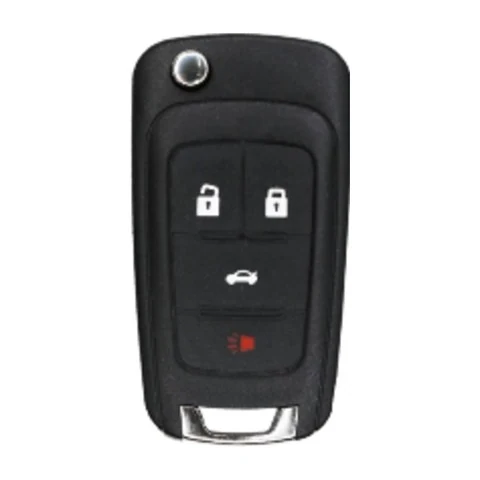
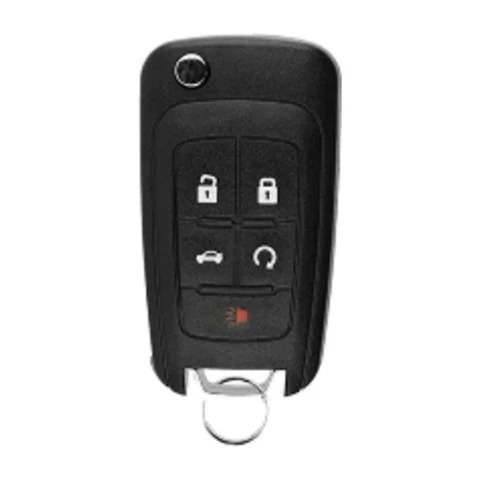
Flip keys
The blade folds into the fob body and swings out for the ignition or a passenger-door keyhole. Buttons sit on the fob face.
4
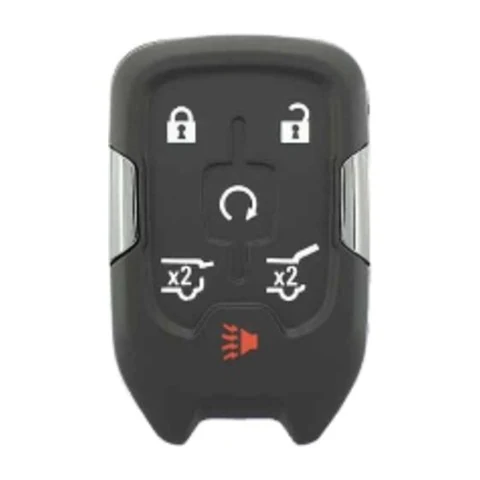
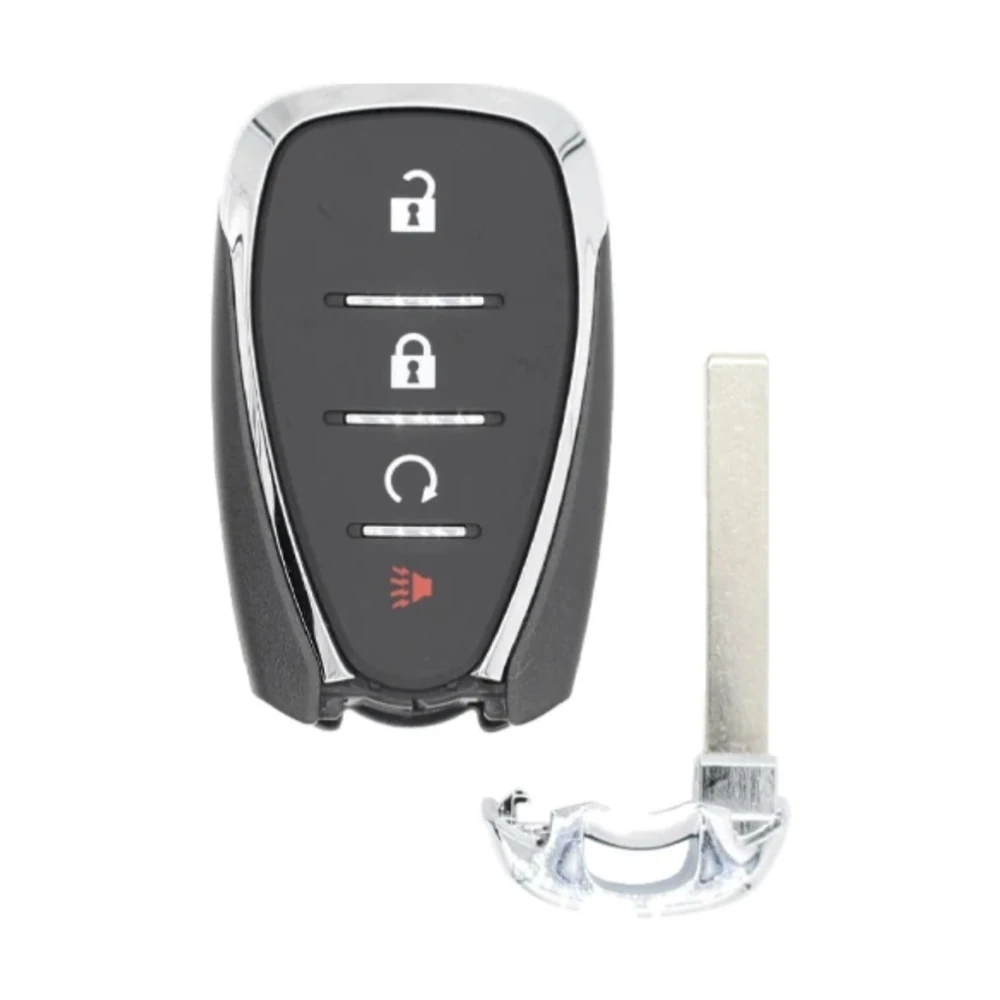
Proximity / smart keys
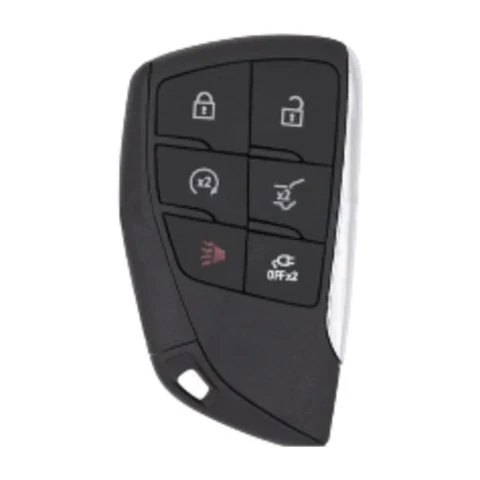
A fob you keep in your pocket or bag. The vehicle unlocks and starts with a push-button switch as long as the fob is nearby. Most include a small hidden blade for emergency entry.
5
Remote start ("x2") buttons
An added button — usually marked with an arrow and "x2" — that starts the engine remotely. Common alongside any of the key types above on trucks and SUVs.
Technology reference
Chevrolet key and immobilizer systems
Grouped by system rather than exact year: transitions varied by model, and not every Chevrolet changed in the same model year. We confirm the exact system from your VIN. We do not publish security-bypass, PIN-extraction, or module-attack details.
Mechanical key and separate keyless-entry remote
Through the 1990s on many models; longer on trucks and vans
A conventional metal key with a separate plastic remote for locking and unlocking. Ran for a long time on trucks, SUVs, and many sedans even after other GM models had moved on.
What you see
A plain metal key with no buttons. Any remote is a separate plastic piece on the ring.
Programming
No chip to program. The blade is cut to code or decoded from a lock; a separate remote is programmed on its own.
All keys lost
A new key can be cut from the key code or by decoding a lock at the vehicle.
On select older GM models, a small resistor pellet is embedded in the key blade itself. The vehicle reads the resistor value as its anti-theft check — the blade shape alone does not confirm the correct key.
What you see
A metal key with a small black resistor pellet set into the blade.
Programming
Nothing is programmed. The replacement blade has to carry the resistor value the vehicle expects, as well as the right cut.
All keys lost
We identify the correct resistor value at the vehicle before the key is cut.
A passive anti-theft sensor built into the ignition lock cylinder, used on models that do not rely on a resistor-pellet key. No chip in the key itself.
What you see
A plain metal key with no chip or pellet. The anti-theft part is in the ignition, not the key.
Programming
The blade is cut to the lock. Some vehicles need a relearn procedure after a key, cylinder or module change.
All keys lost
The key is cut to code or decoded. If the cylinder sensor has failed, the ignition becomes part of the repair.
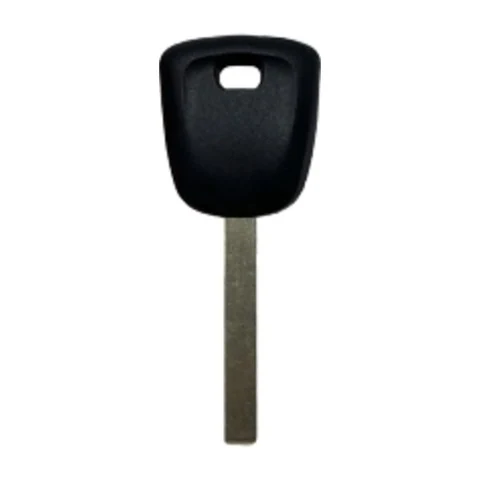
A chip inside the key body communicates with the vehicle’s immobilizer control module. Cutting a blade to match is not enough — the chip has to be programmed to the vehicle.
What you see
Looks like a metal key with a thicker plastic head; a separate remote is common on trucks and SUVs of this era.
Programming
The chip is programmed to the vehicle with diagnostic equipment. Some GM procedures include a timed relearn that has to run its full length.
All keys lost
Possible at the vehicle on many models, with security access and, on some, a timed relearn.
PIN / security code
Some GM models need a vehicle security code during programming. When one is required, we obtain it through authorized channels with proof of ownership.
Upper trims from the 2010s; broader on newer generations
A fob-only key with no ignition blade to turn (though most keep a small hidden blade for the doors). Arrived first on higher trims and newer model years, then became more common across the lineup.
What you see
A button fob with no fixed blade. A hidden emergency key slides out of the fob body.
Programming
The fob is programmed to the vehicle’s passive entry and start system; the emergency blade is cut separately.
All keys lost
More involved than turn-key systems and can take longer at the vehicle. We confirm what your model needs before dispatch.
Newer GM electrical architectures with different security and programming requirements than older platforms. The switchover year is not the same across every Chevrolet model — Silverado 1500, Tahoe/Suburban, Colorado, Traverse, and Equinox each transitioned on their own schedule.
What you see
Usually a proximity key or a flip key. The difference is in the vehicle’s electronics, not the look of the key.
Programming
Needs current, authorized equipment and more steps than older platforms. A generic cloned key will not work.
All keys lost
Possible on many vehicles. On some, the job may need dealer involvement; we tell you before dispatch.
General identification notes for common Chevrolet models. Trim level, production date, and factory equipment can all change which key system applies within a single model year — this is a guide, not a guarantee. A model can have more than one key type within the same year.
Silverado 1500
Long production run on remote-head and flip keys; proximity smart keys became available on higher trims in more recent generations, alongside a continued fixed-key option on base trims. Confirm trim and build date.
Followed a similar key progression to the 1500, generally reaching proximity smart-key availability somewhat later, and often keeping a conventional key option on work trims.
Moved through remote-head and flip-key generations to proximity smart keys, with smart-key availability generally arriving on mid-to-upper trims first.
The newer subcompact Trailblazer generation offers proximity smart keys on upper trims; the earlier, larger Trailblazer SUV generation used remote-head keys. Confirm which generation applies.
The current Blazer generation offers proximity smart keys, following the flip-key and remote-head systems used on the earlier Blazer generation from the 1990s–2000s.
Older systems still matter — here's the difference
A mechanical key simply turns the ignition cylinder by hand, with no electronic anti-theft check tied to the blade shape itself.
VATS / PASS-Key systems, used on select older GM models, embed a resistor pellet in the key blade. The vehicle checks the resistor's value, not just the cut of the blade — a correctly cut blade with the wrong resistor won't start the vehicle.
Passlock-style systems put the anti-theft sensor in the ignition lock cylinder itself, on models that don't use a resistor-pellet key. There's no chip in the key to program.
Transponder-chip keys carry a chip that the vehicle's immobilizer module reads and authorizes. Cutting the blade is only part of the job — the chip has to be programmed to the vehicle.
Remote keyless-entry transmitters lock and unlock doors, but on older vehicles the transmitter is not always the same credential the immobilizer checks — a working remote doesn't always mean a working immobilizer key.
Modern Chevrolet systems
Newer Chevrolet vehicles ask more of a key
Newer Chevrolet vehicles may use integrated remote-head keys, flip keys, proximity fobs with passive entry and passive start, push-button start, or a combination depending on trim. Some newer generations require more advanced authorization and programming steps than older models — this isn't something a generic cut-and-clone key can handle.
Global A and Global B / VIP refer to newer GM electrical architectures, useful mainly as customer context: they can mean different programming requirements than an older platform. There isn't one cutoff year that applies to every Chevrolet model — Silverado 1500, Tahoe/Suburban, Colorado, Traverse, and Equinox each moved onto newer architecture on their own schedule. We confirm the specific requirement from your VIN, not from the model year alone.
Mobile service to Burbank and nearby areas including Glendale, North Hollywood, Sun Valley, and Pasadena. View all service areas.
Important compatibility notice — final key compatibility must be confirmed
The key images, vehicle models, and year ranges shown on this page are provided as a general identification guide and may not apply to every vehicle. The manufacturer may use different key systems within the same model year depending on trim level, production date, manufacturing location, ignition type, and factory equipment. Final compatibility must be confirmed using the vehicle’s VIN, ignition type, existing key or fob, and vehicle information before service. The images are representative examples and do not guarantee an exact visual match.
A current registration or title and matching government-issued photo identification must be verified before automotive key, lock, or immobilizer service is performed.